info@paramounttrek.com
+977-9856012294
Registration no: 398902/83/84
Tourism Licence No: 507
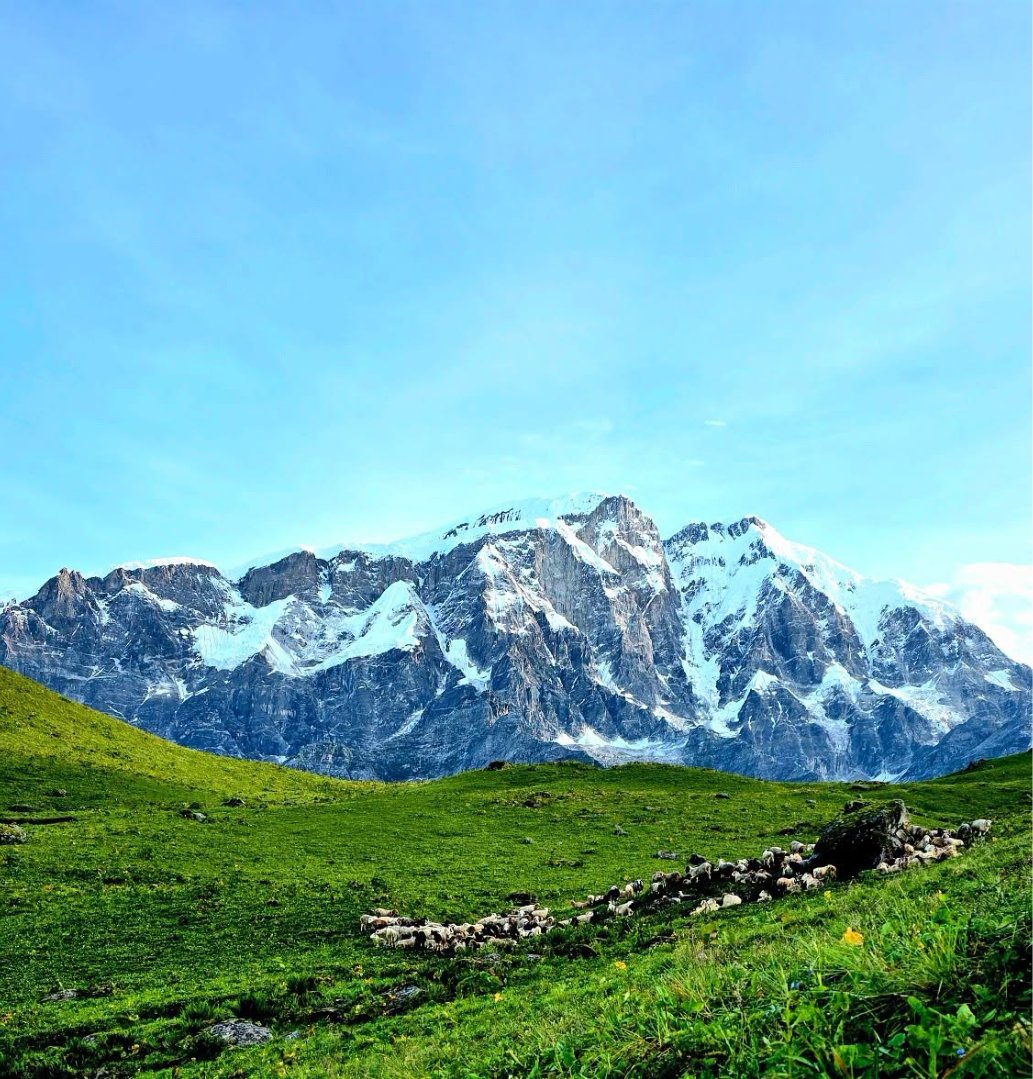
Trek off the beaten path to Kori Danda (3,800m) via Kapuche Glacial Lake and the Gurung village of Sikles — 6 days from Pokhara, far from the crowds.
Destination
Nepal — Annapurna Region (Kaski District)
Accommodation
Community Teahouse, Local Lodge & Homestay
Walking Distance
~48 km
Duration
5 Nights / 6 Days
Max. Elevation
3,800 m (12,467 ft) at Kori Danda
Meals Included
Not specified
Best Season
Spring (Mar–May), Autumn (Sep–Nov)
Grade
Moderate
Most people who trek near Pokhara end up on the same few trails. The Kori Himal Trek goes the other way, up into the eastern Annapurna Conservation Area of Kaski District, where the paths are quiet and the villages still run on their own rhythm. In six days we climb from the warm valley of the Madi River to the open alpine ridge of Kori Danda (3,800 m). It is a short trek with a lot of variety in it.
The route starts with a jeep ride from Pokhara to Sikles (1,980 m), one of Nepal's largest and best-preserved Gurung villages. Narrow stone lanes, slate-roofed houses and a small cultural museum give a real picture of mountain life before we shoulder our packs. From there we cross suspension bridges, climb through bamboo, oak, fir and rhododendron forest, and overnight at the herding settlements of Hugu Goth and Nohtha. These are simple places, which is part of their appeal.
The side trip on Day 2 is a highlight in its own right. Kapuche Glacial Lake (2,450 m) is often described as the world's lowest-altitude glacial lake. Its turquoise water is fed by avalanches that fall from the ice faces of Annapurna II and Lamjung Himal, and on a still morning we may hear them rumbling across the valley. The lake is an easy half-day round trip from Hugu Goth, so it adds a lot without adding much strain.
The main reward comes on Day 4, when the trail leaves the tree line and reaches the grassy crest of Kori Danda. On a clear day the ridge opens onto Annapurna II (7,937 m), Annapurna IV (7,525 m), Lamjung Himal (6,988 m) and Machhapuchhre (6,993 m), with Dhaulagiri and Manaslu (8,163 m) in the distance. Trekkers with energy to spare can add the optional afternoon hike to Thulake Top (4,115 m) for an even wider view before sunset. After a night on the ridge, we descend through pasture, rhododendron thickets and terraced fields to Sikles for a homestay dinner. The last morning is a slow walk around the village before the drive back to Pokhara.
The trek covers roughly 48 km in total and is graded moderate. Days run five to seven hours, mostly on stone steps and forest trail, and the highest sleeping point stays under 4,000 m. We think it suits first-time Himalayan trekkers with a reasonable level of fitness, and anyone who has done the busier Annapurna routes and wants something quieter. It also works for people short on time who still want real altitude, forest, glacial water and big mountain views. Spring (March–May) brings rhododendron bloom, and autumn (September–November) usually gives the clearest skies.
Along the way, the trail visits Kapuche Glacial Lake (2,450 m), certified as the world's lowest-elevation glacial lake, fed by avalanche meltwater off the walls of Annapurna II. From the open ridgeline of Kori Danda — or the optional extension to Thulake Top (4,115 m) — trekkers get wide views of Annapurna II (7,937 m), Annapurna IV (7,525 m), Lamjung Himal (6,988 m), Machhapuchhre/Fishtail (6,993 m), Mardi Himal (5,587 m), Dhaulagiri, and distant Manaslu (8,163 m). The trek's cultural anchor is Sikles itself — one of Nepal's largest and best-preserved traditional Gurung villages, with homestays offering a close-up look at local mountain life.
• Autumn (September–November): The most popular season — clear post-monsoon skies, comfortable daytime temperatures, and sharp mountain views across the Annapurna and Lamjung ranges.
• Spring (March–May): Mid-altitude forests burst into rhododendron, magnolia, and orchid bloom, with mild temperatures and longer days.
• Winter (December–February): Cold nights and snow-dusted ridgelines at Kori Danda, but clear daytime air and quiet trails.
• Monsoon (June–August): Lush green valleys and roaring waterfalls, though frequent rain, leeches, and cloud cover make trekking harder.
No photos available for this package yet.
Pokhara → Sikles → Madi River → Hugu Goth
The jeep leaves Pokhara and follows the Madi River corridor north. The road narrows and the hills close in over two to three hours. We arrive at Sikles, one of Nepal's largest Gurung settlements, and stop long enough to walk its stone lanes before the trek begins.
From the village the trail drops to the river, crosses suspension and wooden bridges, then climbs through bamboo and oak forest. The shade is welcome, and the steady gradient makes a gentle first day on the legs.
Few trekkers come this way, and the trail feels remarkably quiet. River noise fades behind us as the forest closes in.
By late afternoon we reach Hugu Goth (also called Gharmi Kharka), a seasonal herding settlement. Lodging is basic, but hot food and an early night suit us well. Tomorrow's walk to the lake is a short one.
Hugu Goth → River Gorge → Kapuche Glacial Lake → Hugu Goth
With day packs on and the heavier bags left behind at Hugu Goth, we set out along a forested trail that climbs the river gorge. The pace is relaxed, and the sound of moving water stays with us all morning.
The forest opens onto Kapuche Glacial Lake, a turquoise basin often described as the world's lowest-altitude glacial lake. Avalanches spill off the ice faces of Annapurna II and Lamjung Himal and feed it. On a quiet morning we may hear a distant rumble echo across the valley.
We spend time at the shore, eat lunch and watch the light shift over the water before retracing our steps downhill. The round trip is short, so the afternoon is free to rest, wash clothes and stretch tired legs before the climb ahead.
Hugu Goth → Rhododendron & Fir Forest → Nohtha
Climbing starts almost from the doorstep. We leave Hugu Goth and work our way out of the lower valley through rhododendron, fir and oak woodland, crossing mountain streams and rocky ridges as the trail gains height.
The forest thins gradually. By midday, gaps in the canopy begin to frame the first high peaks, the air cools and the undergrowth shortens.
This is the day the trek changes character, from river valley to high country. About 950 m of ascent lies ahead, so we walk slowly, drink often and make a long afternoon of it.
We arrive at Nohtha, a high pasture the local herders use for summer grazing. The lodging is simple and the evenings are cold, so we layer up, eat early and go to bed with the Kori ridge just above us.
Nohtha → Tree Line → Kori Danda → (Optional) Thulake Top → Kori Danda
The tree line is the day's dividing mark. From Nohtha we climb steadily through the last of the forest, then step out into open alpine grassland where the wind picks up and the views stretch.
The ridgeline of Kori Danda opens after four to five hours of walking. The panorama takes in Dhaulagiri, Annapurna II, Annapurna IV, Lamjung Himal and Machhapuchhre (Fishtail), all spread along the horizon.
Anyone with energy to spare can take an optional afternoon hike to Thulake Top, gaining another 300 m or so for a wider outlook. We then return to Kori Danda in time for sunset.
We spend the night at the community lodge, the highest sleeping point of the trek. Sunset here fades slowly, and the cold arrives soon after.
Kori Danda → Pastureland → Tasa [VERIFY: confirm Tasa on route] → Terraced Fields → Sikles
First light over the Annapurna massif sets the tone. We linger on Kori Danda with hot tea and take a last long look before starting the descent.
The trail winds down through pastureland and rhododendron thickets, losing height steadily. Lower down, the landscape softens into terraced fields and small hamlets. We cross local bridges as the air warms and the vegetation thickens.
The drop is long, about 1,820 m over roughly 12 km, and it works the knees hard. Trekking poles and a slow, steady rhythm make the difference on the steep stretches.
We reach Sikles by evening and spend the rest of the day on the village paths. A visit to the cultural museum is a good way to wind down, followed by a homestay dinner with local cooking.
Sikles Village Walk → Madi River Valley → Pokhara
The last morning is unhurried. After breakfast, we use the hours before the drive to walk around Sikles, with nowhere to be and nothing to carry.
The village rewards a slow look: stone-roofed houses, narrow alleys, prayer flags fluttering from rooftops and small shops selling local handicrafts. It is a good last chance to take photographs and talk with the people who live here.
Then we load the jeep and wind back along the Madi River valley, dropping through terraces and forest to the lakeside warmth of Pokhara. The drive takes two and a half to three hours, and the trek ends on arrival.
|
Days |
Route |
Distance |
Walking Time |
Altitude |
|
Day 1 |
Pokhara ➔ Sikles (Drive) ➔ Hugu Goth |
~7.5 km |
4 – 5 hours |
2,100 m |
|
Day 2 |
Hugu Goth ➔ Kapuche Glacial Lake ➔ Hugu Goth |
~8.0 km |
3 – 4 hours |
2,450 m |
|
Day 3 |
Hugu Goth ➔ Forest Trails ➔ Nohtha |
~8.5 km |
5 – 6 hours |
3,050 m |
|
Day 4 |
Nohtha ➔ Kori Danda (Optional: Thulake Top) |
~6.0 km |
4 – 5 hours |
3,800 m |
|
Day 5 |
Kori Danda ➔ Tasa / Forest Path ➔ Sikles Village |
~12.0 km |
6 – 7 hours |
1,980 m |
|
Day 6 |
Sikles Village Exploration ➔ Pokhara (Drive) |
~6.0 km (Walking) |
2.5 – 3 hrs (Drive) |
820 m |
Change the duration, add experiences, choose your preferred accommodation, or create a completely private journey.
Let's Plan Together| Group Size | Price / Person |
|---|---|
| 1 person | USD 470 |
| 2 persons | USD 430 |
| 3 – 6 persons | USD 380 |
| 7 – 12 persons | USD 350 |
| 13 – 25 persons | USD 330 |
Trip Info & FAQs for Kori Himal Trek — 6 Days from Pokhara (Kori Danda)
No reviews yet. Be the first to review this package!
Only customers with a completed booking for this package can submit a review. Your review will appear here once approved.
USD 470 per person
Tier: Default
👋
Select add-ons for specific participants.
Review your booking and select a payment method.
Who should the invoice/receipt be issued to?
A 10% deposit confirms your booking — we'll send bank transfer or payment link instructions by email right after you submit.