

Bhote Koshi Flood 2026: What Happened, and Is Nepal Still Safe to Travel?
On the morning of 26 August 2026, a series of flash floods and debris flows tore down the Bhote Koshi gorge on Nepal's border with Tibet, devastating communities along the Trishuli River in Rasuwa district. It is one of the deadliest natural disasters in the region's recent history, and our thoughts remain with everyone affected.
As a Nepal-based trekking company, we felt it was important to address this honestly rather than avoid it — both because our clients deserve accurate information, and because understanding what actually happened and where matters far more than a generic "Nepal is safe" headline.
What Happened
The floods destroyed the Rasuwagadhi border crossing, swept away bridges, roads, and hydropower infrastructure, and struck dozens of settlements along a roughly 72-kilometer stretch of river. As of the most recent government updates, over 1,300 bodies have been recovered in Nepal, with several thousand people still listed as missing, including trekkers and pilgrims who were in the area. Search, rescue, and relief operations — involving the Nepali Army, Nepal Police, and international tunnel-rescue teams — are still active nearly two weeks later.
Which Areas Were Affected
The disaster was concentrated in Rasuwa district, along the Bhote Koshi and Trishuli river corridor near the China border, including the Langtang access road and the Kerung/Rasuwagadhi trade route. This is a specific, identifiable region — not the entirety of Nepal.
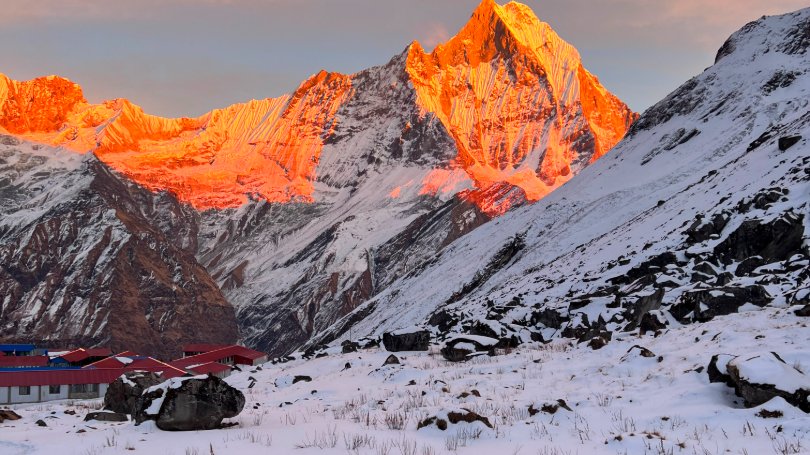
Major trekking regions such as Everest (Khumbu), Annapurna, Manaslu, and Upper Mustang are in entirely different river systems and mountain ranges, and have not been affected by this event. Kathmandu and Pokhara, the two cities most travelers pass through, are operating normally.
Is Nepal Safe to Travel Right Now?
Nepal is a large and geographically diverse country, and the honest answer is: it depends on where you're going.
- Rasuwa district and the Langtang region remain affected, with road access, infrastructure, and rescue operations still in progress. We do not recommend trekking here until authorities confirm the area is fully reopened.
- Everest, Annapurna, Manaslu, and most other major trekking routes are unaffected and operating as normal, with flights, teahouses, and trails running on their usual schedules.
- Kathmandu and Pokhara remain fully accessible, with normal tourism services, airports, and hotels.
If your itinerary doesn't route through Rasuwa or Langtang, this disaster has no direct bearing on your trek. If it does, we'd strongly encourage waiting for official updates before finalizing plans.
Tips for Travelers Planning a Nepal Trip
- Check your specific route, not just "Nepal" in general — ask your operator exactly which districts and trails your trek passes through.
- Follow official channels like Nepal's Ministry of Foreign Affairs and the Department of Hydrology and Meteorology for the latest flood and landslide advisories.
- Book with a local operator who can adjust routes in real time if conditions change.
- Consider supporting relief efforts — several verified organizations are accepting donations for flood-affected communities in Rasuwa.
Final Thoughts
The Bhote Koshi flood is a genuine tragedy for the communities in Rasuwa, and it deserves to be treated as one — not folded into a marketing message. At the same time, it's also true that the vast majority of Nepal's trekking regions, cultural sites, and cities are open, safe, and ready to welcome travelers.
If you're planning a trek and want route-specific, up-to-date guidance, Paramount Trek can help you plan a trip that avoids affected areas while still giving you the Nepal experience you're looking for.

Comments (0)
Leave a Comment